Hello, and welcome back to Metagame Mentor, your weekly guide to the top decks and latest Constructed developments on the path to the Pro Tour. This past weekend featured Magic Spotlight: The Avatar, a pair of high-stakes, two-day open tournaments held in Lyon, France, and Atlanta, Georgia. Across both events, which attracted more than 1,500 competitors combined, sixteen Pro Tour invitations were awarded alongside $100,000 in prizes and a trove of promo cards.
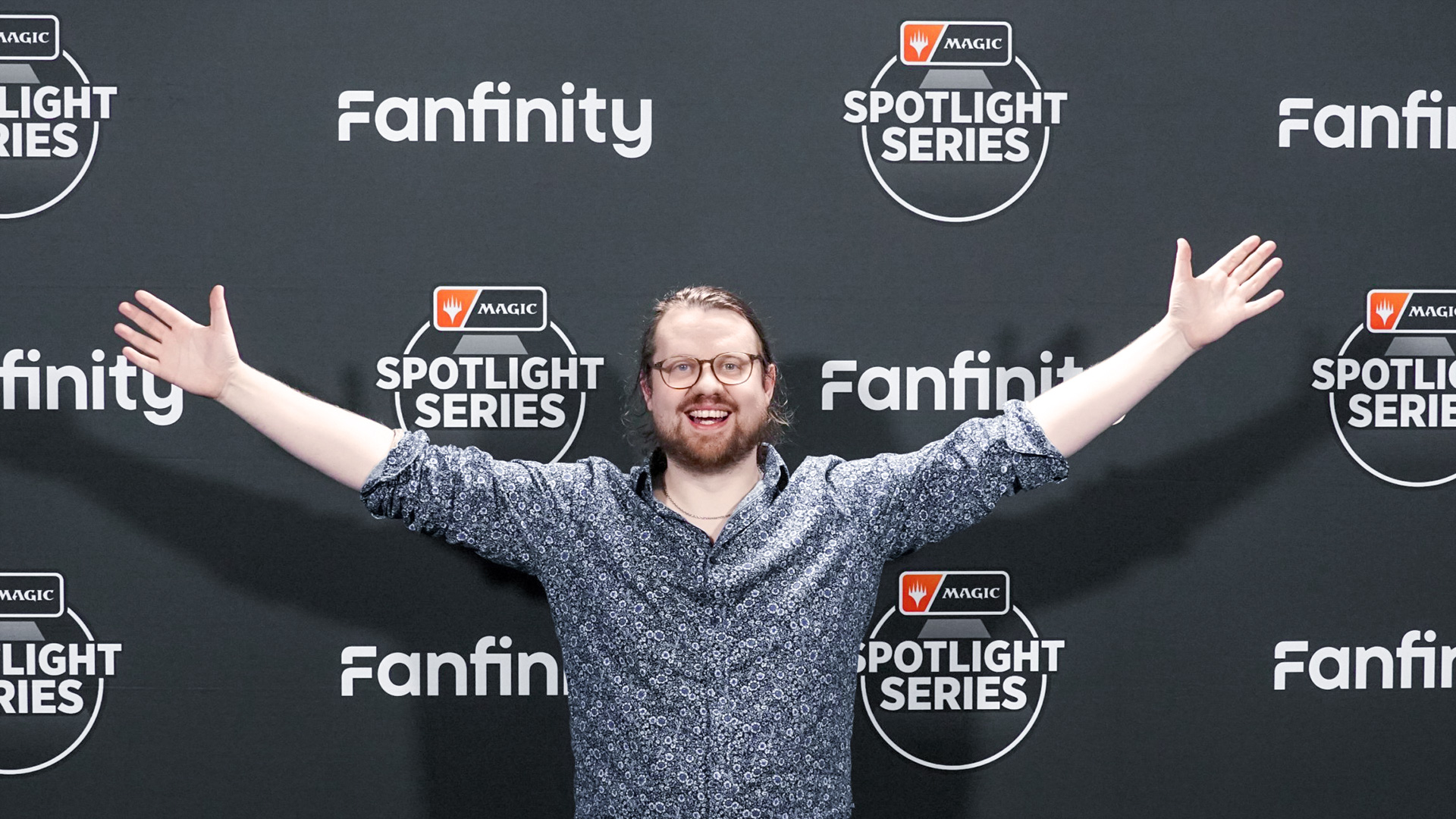
Congratulations to Simon Nielsen!
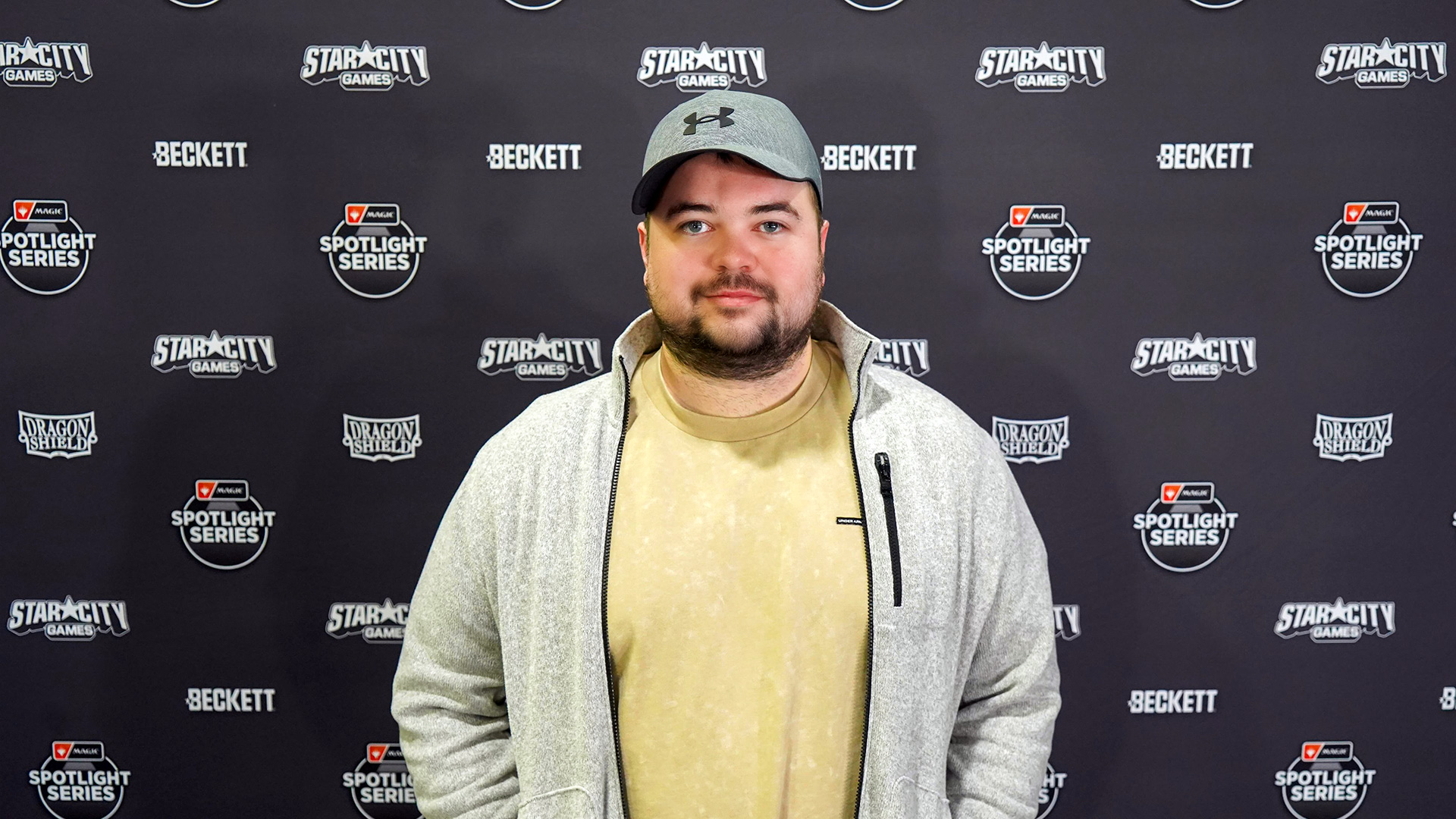
Congratulations to Kye Nelsen!
Simon Nielsen claimed victory in Lyon with a finely tuned Simic Ouroboroid deck, while Kye Nelson triumphed in Atlanta piloting Bant Airbending. In this article, I will take a closer look at the weekend's metagame, examine win rates across the major archetypes, and highlight the standout strategies that ultimately rose to the top.
The Standard Metagame and Win Rates
Standard, the rotating 60-card format that currently allows expansion sets from Wilds of Eldraine forward, is one of Magic's premier competitive formats. The table below presents the combined raw metagame numbers from Magic Spotlight: The Avatar in Lyon, France, and Atlanta, Georgia, alongside match win rates for each deck archetype (excluding mirror matches, byes, and draws).
In this table, each archetype name hyperlinks to a top-performing decklist that closely reflects its aggregate build. The "Other" category collects decks with one percent metagame share or less, including Simic Omniscience, Izzet Prowess, Temur Otters, Dimir Bounce, Temur Ouroboroid, Boros Dragons, Boros Mobilize, Esper Pixie, Azorius Midrange, Golgari Landfall, Mono-Red Leyline, Mono-Green Ouroboroid, Azorius Fliers, Gruul Delirium, Bant Omniscience, Boros Mice, Orzhov Demons, and more.
Overall, the metagame resembled the one from December, as outlined in last week's format primer. That article also introduced the game plans and key cards of the leading archetypes, based on Magic Online and Regional Championship Qualifier results.
At Magic Spotlight: The Avatar, the biggest surprise was the sudden rise of Simic Ouroboroid. This novel build emerged as the breakout deck of the weekend, with players abandoning Selesnya Landfall, Izzet Blink, and Golgari Ouroboroid in favor of this sleek new configuration. It had already begun to surface on Magic Online in the preceding week. But at the Spotlight Series, it surged decisively ahead—a development we will explore in greater detail later.
Badgermole Cub [LerH8gGFQprXZ5n6Qbelh]
More broadly, Badgermole Cub decks posted an excellent win rate over the weekend. Decks featuring at least one copy of Badgermole Cub won 56% of their matches against non-Cub opponents. That figure is striking when contrasted with Magic World Championship 31, where Cub decks managed a dismal 39% win rate against non-Cub decks. At the time, competitors were ready for Badgermole Cub, effortlessly policing the fragile green mana creatures with cheap removal and timely sweepers.
Since then, however, the metagame has changed. As Izzet Lessons rose to become public enemy number one, the perceived menace of Badgermole Cub faded into memory. This weekend offered a reminder of how fluid Standard can be from month to month. It also underscored how powerful the two-drop remains when attention drifts elsewhere and more refined Badgermole Cub shells emerge.
Meanwhile, Dimir Midrange and Sultai Reanimator struggled to keep pace. The recent surge in graveyard hate across Standard hampered Sultai Reanimator specifically. Soul-Guide Lantern was the most played card in the field, and some decks even went so far as to include Rest in Peace in the main deck, leaving little room for reanimation strategies to breathe.
Simic Ouroboroid Broke Out
1 Craterhoof Behemoth
1 Reclamation Sage
4 Botanical Sanctum
3 Willowrush Verge
2 Bounce Off
2 Mockingbird
7 Forest
1 Sentinel of Lost Lore
1 Keen-Eyed Curator
4 Llanowar Elves
4 Badgermole Cub
4 Gene Pollinator
4 Breeding Pool
4 Nature's Rhythm
1 Marang River Regent
4 Multiversal Passage
1 Spider-Sense
4 Spider Manifestation
4 Ouroboroid
4 Quantum Riddler
2 Scrapshooter
2 Surrak, Elusive Hunter
1 Disdainful Stroke
1 Unable to Scream
2 Keen-Eyed Curator
2 Meltstrider's Resolve
1 Vivien Reid
1 Ba Sing Se
1 Spider-Sense
2 Soul-Guide Lantern
Simic Ouroboroid is not a brand-new archetype. It claimed 5.6% of the metagame at Magic World Championship 31, where it showcased the mana acceleration of Llanowar Elves, Pollinator, and Badgermole Cub, flooding the battlefield with cheap creatures while ramping into an Ouroboroid. Those earlier builds typically used Jackal, Genius Geneticist, supported by Innkeeper's Talent and a suite of additional one- and three-drops such as Pawpatch Recruit and Tyvar, the Pummeler, to assemble a chain of creatures for Jackal. The current versions have abandoned that entire package.
Spider Manifestation
Nature's Rhythm
Quantum Riddler [DcVXPTardYTwehtVUeYxw]
Instead, they ramp harder. The deck has adopted Spider Manifestation to maximize Badgermole Cub, along with Mockingbird to copy the Cub. The ideal opening is spectacular: Llanowar Elves on turn one, followed by Badgermole Cub and Spider Manifestation on turn two. With a second Badgermole Cub or a Mockingbird on turn three, the deck can generate ten mana, enabling Nature's Rhythm to fetch Craterhoof Behemoth, untap Spider Manifestation, and end the game as early as turn three.
Quantum Riddler further elevates the strategy as a powerful mana sink and a steady value engine, all while untapping Spider Manifestation. The ability to mulligan aggressively, buoyed by the safety net of Quantum Riddler and broken starts, only amplifies the deck's overall strength. All of these new cards, none of which were common inclusions in early-December builds, represent a substantial leap forward. "Spider Manifestation is really, really good," Nielsen said, praising the absurd amounts of mana it can add in a single turn, "and Riddler is so powerful in this shell. The deck feels the most well-positioned among the other Cub decks."
Team Handshake Moxfield dominated Magic Spotlight: The Avatar with a finely tuned version of the deck. Simon Nielsen, who finished in 1st place, along with Guglielmo Lupi in 8th place, Stefan Schütz in 10th place, and Raul Porojan in 130th place, collaborated on the list for a week, assisted by Nathan Steuer from the United States. For the group, the build was natural, as most had already tested Golgari Ouroboroid with Spider Manifestation for the World Championship, and Quantum Riddler proved more powerful than Overlord of the Balemurk. While Steuer's Standard results fell short this past weekend, he passed the list to Mason Buonadonna, who converted it into a 17th-place finish in Atlanta.
Around the same time the team was testing, the deck emerged on Magic Online, where it rapidly gained traction after YungDingo won a Magic Online Challenge on January 2. While that stock build uses additional copies of Mockingbird, the team found the card underwhelming against interactive strategies. Instead, they favored a more toolbox-oriented approach, incorporating cards like Reclamation Sage, Keen-Eyed Curator, Marang River Regent, and Sentinel of Lost Lore to expand Nature's Rhythm targets.
That said, they weren't entirely sure the suite of one-ofs was optimal. "Marang River Regent is actually good; the others are perhaps nonsense," Nielsen said, also mentioning that Mockingbird shines in mirror matches.
Scrapshooter
Keen-Eyed Curator
One detail they were more enthusiastic about was the Racoons in their sideboard, which have enough toughness to sidestep ubiquitous 2-damage removal spells such as Firebending Lesson and Pyroclasm. As Nielsen put it, "Keen-Eyed Curator and Scrapshooter are primarily Watchwolf and Loxodon Smiter, and then secondarily they have text."
Across Lyon and Atlanta, six of the sixteen Top 8 slots were taken by Simic Ouroboroid decks. With an excellent overall win rate, a roughly even matchup against Izzet Lessons, and favorable matchups against Dimir Midrange and Mono-Green Landfall, Simic Ouroboroid is poised to become the most prominent deck to defeat in Standard over the coming weeks. "But the bad matchup is Jeskai," Nielsen said after his victory, "and it's really bad."
Izzet Lessons Evolved
5 Island
4 Gran-Gran
1 Burst Lightning
2 Agna Qel'a
2 Boomerang Basics
4 Combustion Technique
4 Mountain
3 Iroh's Demonstration
4 Multiversal Passage
4 Firebending Lesson
4 Monument to Endurance
2 Spell Pierce
4 Accumulate Wisdom
3 Abandon Attachments
4 Riverpyre Verge
2 It'll Quench Ya!
4 Artist's Talent
4 Spirebluff Canal
2 Negate
1 Essence Scatter
1 Iroh's Demonstration
1 Abandon Attachments
2 Annul
1 Ral, Crackling Wit
2 Flashfreeze
2 Soul-Guide Lantern
1 Quantum Riddler
1 Fire Magic
1 Broadside Barrage
Izzet Lessons was the breakout deck from Magic World Championship 31, and it continues to stand as one of Standard's premier contenders. Across both Spotlight Series events, the archetype claimed six of the sixteen Top 8 slots, reaffirming its place at the top of the format.
Stormchaser's Talent
Of the 222 Izzet Lessons players, the overwhelming majority registered stock lists featuring Stormchaser's Talent. A smaller cohort of 31 players, however, chose a different path, cutting the enchantment entirely and trimming copies of Boomerang Basics. Both Maxx Kominowski and Lukas Jaklovsky piloted these zero-Talent builds to Top 8 finishes. As Jaklovsky explained, Stormchaser's Talent "doesn't do all that much" against Landfall, Lessons, or Ouroboroid, and the additional deck space allows for additional interaction, such as main-deck copies of Spell Pierce, which can ultimately matter more.
Although the sample sizes are too small to support sweeping conclusions, the early results support this change. Izzet Lessons decks without Stormchaser's Talent posted a 56.1% win rate, compared to 51.8% for versions that retained the enchantment. Depending on how the metagame continues to evolve, this streamlined approach may well point toward the deck's next iteration, where Monument to Endurance is effectively the only win condition.
Landfall Decks Impressed
1 Lumbering Worldwagon
2 Bristly Bill, Spine Sower
2 Promising Vein
4 Earthbender Ascension
2 Ba Sing Se
4 Mightform Harmonizer
4 Esper Origins
3 Escape Tunnel
4 Sazh's Chocobo
2 Snakeskin Veil
2 Mossborn Hydra
4 Icetill Explorer
4 Llanowar Elves
4 Badgermole Cub
4 Fabled Passage
14 Forest
4 Meltstrider's Resolve
2 Origin of Metalbending
1 Vivien Reid
1 Surrak, Elusive Hunter
3 Keen-Eyed Curator
2 Soul-Guide Lantern
2 Mossborn Hydra
Among archetypes with at least 20 pilots, Mono-Green Landfall posted the strongest win rate at an impressive 57.9%, with Selesnya Landfall close behind at 53.7%. In practice, the distinction between the two is often little more than a single basic Plains in the main deck and a handful of white removal spells in the sideboard. That makes it reasonable to view them as variations on the same core strategy: explosive, unexpected kills enabled by Mightform Harmonizer, backed by a resilient late-game value engine built on Icetill Explorer, Fabled Passage, and Esper Origins.
Icetill Explorer [775GUs3AdYHMHLAkCegRip]
Mightform Harmonizer [42hxGqMBGLYM37frmNsWN9]
The Mono-Green list Gaétan Verdierre used to reach the Top 8 in Lyon closely resembles the version Eli Swafford piloted to a Top 8 finish in Atlanta. Swafford opted for different flex slots, choosing Archdruid's Charm and Surrak, Elusive Hunter over Bristly Bill, Spine Sower and Snakeskin Veil. Meanwhile, Verdierre leveraged Promising Vein in his mana base. Despite these tweaks, the backbone of both decks was strikingly similar, cementing Mono-Green Landfall as one of the tournament's clear breakout strategies and suggesting that a white splash need not be necessary.
However, the deck does have a weakness: without access to removal, it struggles heavily against Simic Ouroboroid.
Bant Airbending Claimed Victory with Spicy New Tech
4 Aang, Swift Savior
4 Interdimensional Web Watch
4 Starting Town
3 Floodfarm Verge
4 Llanowar Elves
2 Gene Pollinator
4 Badgermole Cub
4 Breeding Pool
4 Aang, at the Crossroads
4 Bramble Familiar
4 Airbender Ascension
4 Multiversal Passage
4 Hushwood Verge
4 Doc Aurlock, Grizzled Genius
1 Plains
2 Botanical Sanctum
4 Appa, Steadfast Guardian
2 Reclamation Sage
2 Aven Interrupter
4 Seam Rip
1 Kutzil's Flanker
1 Cavern of Souls
1 Spider-Sense
2 Avatar's Wrath
2 Quantum Riddler
Because Doc Aurlock, Grizzled Genius reduces the cost of spells cast from exile; Appa, Steadfast Guardian and Aang, Swift Savior can airbend each other endlessly to create infinite Ally tokens. This strategy did not perform well at Magic World Championship 31 and subsequently fell out of the metagame, but in Atlanta, Kye Nelson demonstrated that it can still find success when refined with a few clever tweaks. "I love the deck," the newly crowned Spotlight Series champion said.
Interdimensional Web Watch [7CMrg2mJ1RF4POnMYRUfB3]
Nelson's list included a piece of spicy technology that earlier versions lacked: Interdimensional Web Watch. "Interdimensional Web Watch just allows you to catch up when you're behind," he explained. Doc Aurlock reduces the cost of playing cards off Interdimensional Web Watch, and you can airbend the artifact to keep digging. "Exponentially, you just pop off with multiple copies of Interdimensional Web Watch. Every time I've played it, it's helped me catch up or have a chance to win the game. I think that's what the deck was missing, and it's been huge this weekend."
"I didn't feel any nightmare matchups," he added. "I beat every Lessons deck I played, and that was the matchup I was very comfortable with. Against the meta, it did very well."
Boros Charm Proves Its Power in Boros Aggro
4 Shock
1 Multiversal Passage
9 Mountain
4 Lightning Helix
4 Burnout Bashtronaut
4 Emberheart Challenger
4 Inspiring Vantage
4 Sacred Foundry
4 Burst Lightning
1 Rockface Village
4 Boros Charm
4 Hired Claw
1 Channeled Dragonfire
1 Kellan, Planar Trailblazer
4 Nova Hellkite
4 Slickshot Show-Off
4 Sunbillow Verge
3 The Legend of Roku
3 Soul-Guide Lantern
3 Get Lost
3 Magebane Lizard
3 Sunspine Lynx
While Mono-Red Aggro faltered with a 46.9% win rate, Boros Aggro impressed at 52.2%, indicating the value of splashing white. Hall of Fame member Willy Edel from Brazil came to Europe on a family vacation, picked up Boros Aggro, and almost casually made Top 8 at Magic Spotlight: The Avatar.
Boros Charm
"I think it's kind of well positioned right now," Edel said of his deck choice. As he explained, Izzet Lessons is packed with creature removal, but Boros Charm adds a heavier burn angle that many opponents are not prepared for. The card's other modes matter as well. Indestructible punishes sweepers, while double strike on Slickshot Show-Off can deal enormous amounts of damage. Still, it is the burn mode that pulls the most weight, significantly improving the matchup against Izzet Lessons. Meanwhile, Get Lost out of the sideboard shores up the matchup against Ouroboroid decks. So, white covers both bases.
Edel had enjoyed playing red aggro decks over the past half-year. "You need to play really sharp. Every point of damage matters," he said, also emphasizing the importance of finding a deck that you genuinely enjoy. "Keep testing, keep playing, and most importantly, have fun," he offered as parting wisdom.
His list diverged slightly from more stock Boros builds, some of which appeared as Boros Prowess on Melee but are grouped here under the Boros Aggro umbrella. Notably, Edel eschewed Full Bore and the associated combo kills with Boros Charm's double strike mode. Instead, he leaned into additional burn spells and 23 lands in the main deck, a choice that freed up sideboard space for The Legend of Roku, which he highlighted as an underappreciated card. He also opted for Get Lost over the more common Iroh's Demonstration to answer Ouroboroid at instant speed. These small tweaks may have been enough to give him a crucial edge throughout the tournament.
Boomerang Basics Unlocks Black Decks
4 Concealed Courtyard
3 Kaito, Bane of Nightmares
2 Aang, Swift Savior
4 Stormchaser's Talent
4 Starting Town
4 Boomerang Basics
1 Get Lost
4 Floodfarm Verge
4 Sunpearl Kirin
1 Island
2 Grim Bauble
2 Appa, Steadfast Guardian
4 Momentum Breaker
2 Tinybones Joins Up
1 Meticulous Archive
2 Tishana's Tidebinder
4 Watery Grave
4 Nurturing Pixie
3 Godless Shrine
4 Nowhere to Run
2 Gloomlake Verge
1 Kaito, Bane of Nightmares
1 Tishana's Tidebinder
2 Get Lost
1 The Witch's Vanity
2 Kutzil's Flanker
2 Grim Bauble
1 Appa, Steadfast Guardian
1 Tragic Trajectory
3 No More Lies
1 Tinybones Joins Up
Blue is currently the most popular color in Standard, and many blue mages exploit Boomerang Basics to rebuy Stormchaser's Talent or supercharge Accumulate Wisdom. Samuele Estratti and Linden Koot, however, reminded us that bouncing Nowhere to Run or Tinybones Joins Up can be just as potent. Estratti posted an 11-4 record in Lyon with Esper Pixie, while Koot went 11-3-1 in Atlanta with Dimir Bounce.
Boomerang Basics
Nowhere to Run
"I like building decks and wanted something spicy since it's closed decklists on Day One," Pro Tour Champion Samuele Estratti told me. "I was playing Pixie in a previous season, and it's in a good spot now. There are lots of creature decks in Standard, and if they are not quick enough then you can keep them down. Kaito, Bane of Nightmares wins against Lessons and Control."
Jeskai Control May Be the Next Step
1 Elegant Parlor
1 Cori Mountain Monastery
2 Mistrise Village
2 Thundering Falls
2 Three Steps Ahead
1 Wan Shi Tong, Librarian
1 Abrade
4 Consult the Star Charts
4 Floodfarm Verge
4 Get Lost
3 Jeskai Revelation
1 Mountain
1 Island
4 No More Lies
1 Marang River Regent
1 The Unagi of Kyoshi Island
2 Day of Judgment
4 Lightning Helix
4 Meticulous Archive
4 Sacred Foundry
3 Stock Up
2 Rest in Peace
1 Plains
3 Riverpyre Verge
2 Sunbillow Verge
2 Ultima
1 Ultima
2 Tishana's Tidebinder
1 The Unagi of Kyoshi Island
2 Beza, the Bounding Spring
2 Annul
1 Riverchurn Monument
3 Voice of Victory
1 Negate
2 Fire Magic
With Simic Ouroboroid dominating the tournament, the natural question becomes how to beat it. Based on matchup data and Simon Nielsen's evaluation, Jeskai Control is one of the best answers. Day of Judgment can easily sweep a board filled with Llanowar Elves and Ouroboroid, while Ultima prevents earthbent lands from returning. Moreover, an abundance of countermagic and spot removal provides additional ways to answer key threats. Rafael Pinto finished in 9th place in Lyon, barely missing Top 8 on tiebreakers.
Day of Judgment [6uyHeBFX72RcDKxFUGp4IO]
Alongside a favorable matchup against Simic Ouroboroid, Jeskai Control is close to even versus Izzet Lessons. Against Izzet Lessons, main-deck copies of Rest in Peace provide crucial disruption, The Unagi of Kyoshi Island presents a threat that's difficult to answer, and Riverchurn Monument can steal games post-sideboard. Jeskai Control's weakness, however, lies in Landfall decks, which combine a resilient late-game value engine with potential combo kills. Even when top Landfall builds are trimming Lumbering Worldwagon, the Vehicle's ability to dodge sorcery-speed sweepers gives them a persistent edge. Still, depending on how the format develops, Jeskai Control might be a good metagame call to keep in mind.
Allies Remains Competitive
4 Aang, Swift Savior
4 South Pole Voyager
3 Allies at Last
4 Starting Town
4 Earth King's Lieutenant
3 Katara, the Fearless
2 Hakoda, Selfless Commander
4 Floodfarm Verge
1 Aang, at the Crossroads
4 Earth Kingdom Protectors
4 Breeding Pool
4 Earthen Ally
2 Boiling Rock Rioter
4 Great Divide Guide
1 Hushwood Verge
4 Cavern of Souls
2 Mai, Scornful Striker
1 Plains
1 Botanical Sanctum
4 Jasmine Dragon Tea Shop
1 Origin of Metalbending
1 Hakoda, Selfless Commander
2 Sheltered by Ghosts
1 Ghost Vacuum
2 Boiling Rock Rioter
2 Earth Kingdom Jailer
3 Spider-Sense
1 Heritage Reclamation
2 Scout for Survivors
Fittingly for a Spotlight Series event themed around The Avatar, three players (Patrick Rossire, Nicholas Tibbitts, and Michael Greenberg) went 10-5 with Allies, a deck built primarily from Magic: The Gathering® | Avatar: The Last Airbender. These results prove that Allies is genuinely competitive in the current Standard.
While the matchup against Simic Ouroboroid can be challenging, Allies brims with synergy and is held together by a surprisingly consistent mana base. A clear standout is Earth King's Lieutenant, whose impact is doubled by Katara, the Fearless. Great Divide Guide and Jasmine Dragon Tea Shop fix the mana, making it easy to run the best Allies from all five colors and turn Earthen Ally into a fast clock. The deck has enough black sources to support Mai, Scornful Striker, for instance, which can put a lot of pressure on Izzet Lessons, especially when protected by Earth Kingdom Protectors.
"We decided to come to Lyon with a bunch of friends," Patrick Rossire said. "I hadn't played Standard in years. But I'd won a few boxes with the Arena Direct and realized you could build Allies using only cards from the set!" He tested the deck on MTG Arena, found it strong, and had an excellent weekend.
"I saw the decklist, and it reminded me a lot of Modern Humans," Nicholas Tibbitts said in Atlanta. "It's very resilient in the long games, but it can also come out the door fast and just run people over."
What's Next for Standard?
Over the next months, competitive players will have plenty of opportunities to test their skills in Standard. The Standard round of RCQs is ongoing, and the first Standard Regional Championship of the year is set for SCG CON Portland, January 23–25. This will mark the first major event where Lorwyn Eclipsed is legal.
The following weekend, January 30–February 1, Pro Tour Lorwyn Eclipsed will take place. Though it will be a closed event for competitors, there will be live video coverage so fans can follow the action from home. The formats for the Pro Tour are Lorwyn Eclipsed Booster Draft and Standard, and it will be exciting to see what innovations the world's best deck builders will unveil at this prestigious tournament!