The first time I learned about cancer was from Jim Valvano. Jimmy V, as he was known by the time I was a seven- or eight-year-old watching his famous speech and staying up far past my bedtime to sneak in some extra ESPN, was as legendary of a basketball coach as he was an unlikely one. He was a fiery New Yorker who became the face of college basketball promos when his 1983 North Carolina State team pulled off a famously improbable victory.
I didn't know any of that at the time. What I remember from Coach Valvano had nothing to do with basketball. He talked about living, and dying, with cancer. It was the first time I remember learning about such things, and the next 10 minutes listening to that 46-year-old's speech from the 1993 ESPYs—which ESPN still replays in its entirety every year—would begin to shape how I saw sickness, sports, and strength.
Valvano's speech came about two months before his death. He was open with his peers at the event, the audience watching at home, and a young boy who would catch a replay years later—his enduring message: "Don't give up, don't ever give up." In the 30-plus years since its founding, the Jimmy V Foundation has raised almost half a billion dollars for cancer research and delivered one more moment that has stood out in my mind in recent days.
One of the anchors I watched that same night before Valvano's speech was Stuart Scott. Known for his iconic catchphrases and unabashed ability to be himself, he elevated highlights to an art form. In 2014, Scott would honor Valvano's legacy in the way he best could. Struggling as his body began to break down, he took to the ESPYs stage and spoke candidly of his own views on the cancer that would soon take his life:
When you die, that does not mean you lose to cancer. You beat cancer by how you live, why you live, and in the manner in which you live.
"How you live, why you live, and in the manner in which you live." It's a phrase I've never forgotten, and in the wake of the news of Kai Budde's passing, it's one I've gone back to time after time as I try to put into words what no amount words could ever encompass: how much Kai Budde meant to Magic.
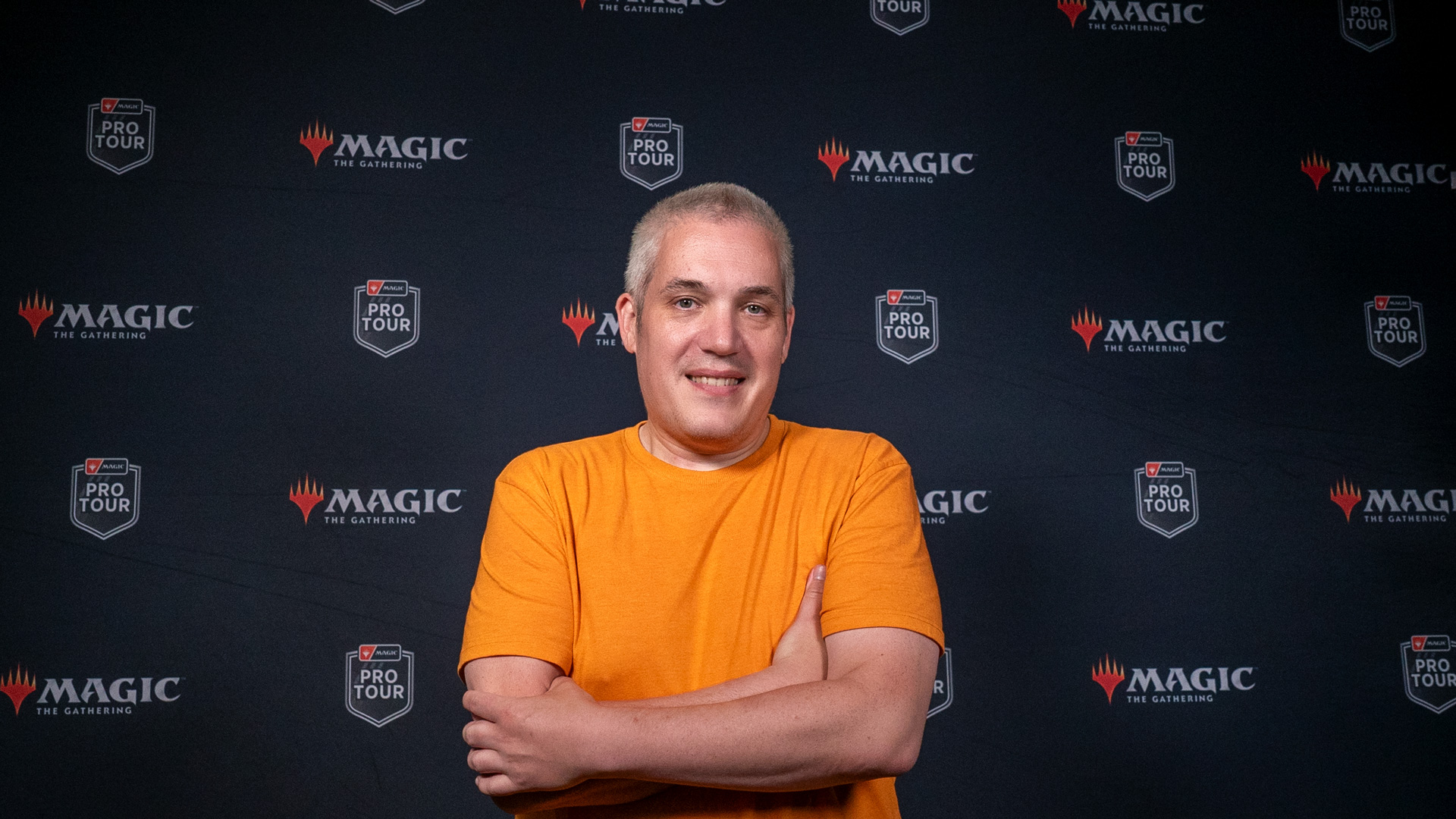
Kai Budde recently passed away from complications due to cancer at the age of 46, and like his fellow luminaries featured on ESPN, Budde opened his world up to his community, sharing news of his diagnosis and working with peers and professionals who wanted to give the community a way to share back.
His passing has been met with an outpouring of love from the community that Kai created. Magic's very existence is inextricably tied to Budde—whose stardom helped put the game on the world map in the late '90s—and as everyone from longtime teammates to new fans have effused, one other thing is undeniably clear: whatever Budde's contributions were to Magic as a competition, they're dwarfed by his contributions to Magic as a community.
From his Pro Tour debut at Pro Tour Mainz in 1997 to his Top 8 at Magic World Championship 30 in 2024, Budde lit up the stage. But you were just as likely to find him in a Pro Tour hopeful's Twitch stream offering encouragement or in the tournament lobby mixing it up about football. He was the kind of player who would start a friendly chat with his neighbors about their draft decks rather than slip off to the side with friends, the kind of person who didn't stop the conversation at draft decks. In a game of cold calculations, Budde's warmth was a boon to everyone he connected with—and almost every player and coverage member has a story of Budde's graciousness.
My own introduction to Budde reflects that. I began doing Magic coverage in 2014, and I can vividly recall many of the moments where my world changed from watching and reading about players to talking to them. Which, for someone learning the ropes, is not as easy as it sounds. I learned quickly that at that time not everyone was interested in talking, especially to the new guy they've never seen on the sidelines before. They say to never meet your heroes.
It was in that context that I first met Budde. The experience I had with him over the next few years—perhaps no more special or different than anyone else, or perhaps all the more special because it was the same consideration Budde offered everyone else—solidified for me that Magic was a career worth pursuing. If this was the face of the game, then the game could ask for no better ambassador. Win or lose, Budde always made time and space for anyone who wanted to shake the hand of the German Juggernaut or have him sign their playset of Voidmage Prodigy—and oftentimes these were Budde's opponents who he had just beaten. Coming of age in a tumultuous time for competitive Magic, longtime judges credit Budde for his sportsmanship. In recent years, Budde took to enthusiastically working with new team members for events, including a number who hadn't been born when he won his first Pro Tour. In short, it wasn't just his Magic accomplishments that endeared the Magic and Pro Tour community to Budde. It was his humanity.
That's how Budde lived. He lived in a manner that made millions of children and adults alike over three decades want to give Magic a try to see if they too could make it to the Pro Tour and play like Kai. No one else could ever quite play like Kai, but the Pro Tour in 2026 is filled with people who are there in large part not just because they want to play like Kai but because they want to be like Kai.
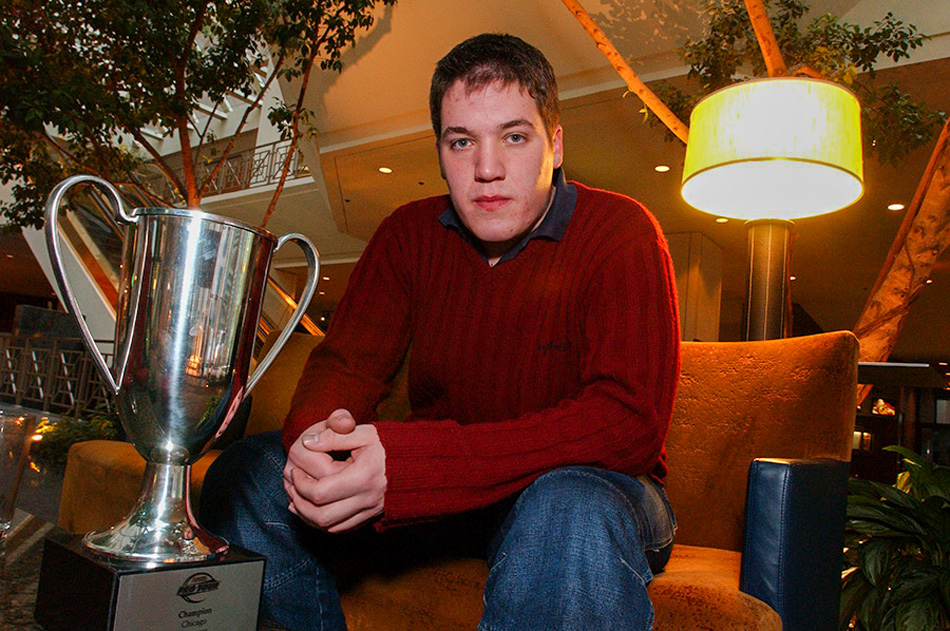
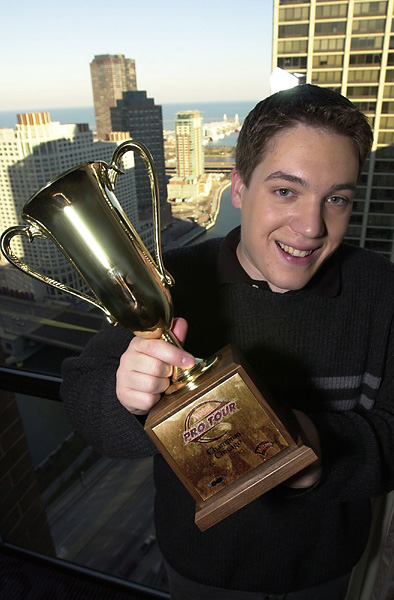
Budde's accomplishments will probably never be matched. Budde's seven 1st-place finishes are more than any other player in the game's history, and his run of trophies from 1998–2002 is almost unfathomable; he shot to the top by winning the World Championship and Player of the Year title both in '98 and '99. He would go on to win a still-unprecedented six out of fourteen Pro Tours, including a memorable win at Pro Tour New Orleans in 2001 that led to one commentator eating their own hat for doubting that Kai would win again.
In his first five appearances on the Top 8 stage, Budde won five titles, leading to the adage "Kai doesn't lose on Sundays." It was all part of the mythology that was the German Juggernaut of Magic, as seen on ESPN2 alongside Stuart Scott.
The 1998–1999 season was the first time Budde won the Player of the Year title, but it was far from the last. His run of Pro Tour titles was part of an overall run of all-time excellence, which resulted in an incredible three straight Player of the Year wins from 2000–2003 to bring his total to four; no other player has more than two.
Pro Tour Lorwyn Eclipsed saw Ken Yukuhiro recognized for winning last season's Player of the Year title. That trophy was fittingly renamed to the Kai Budde Player of the Year trophy in 2024, as fellow Hall of Fame member Billy Jensen announced. The trophy's name is an eternal honor to Budde, but it's more than that to both past and future recipients. Thousands of players will spend all year striving to hold up Kai's trophy, and in the end only one of them will. But every one of them can live up to Kai's trophy; that's a legacy more lasting than any title—and Kai had all of those, too.
Magic is a generational game with 33 years of history. I think that in the fast-paced world of 2026, it's often taken for granted just how long that is in modern terms. My Friday Night Magic is filled with teenagers and young adults picking up the game for the first time. Whether they're playing Commander or Standard or just opening boosters, they're there partly because of Kai Budde.
That's not just because of his role in putting Magic on the map, but because of his role in making sure everyone had the same copy of the map. He was a fierce advocate for the game being inclusive to as many people of disparate backgrounds as possible, and his own actions in that regard helped to lay the groundwork that has made Magic a lifeline for so many. In recent months, Budde's friends shared with him every story that someone wanted to share with Budde; the thousands of messages they shared with him spanned not days, but weeks—and not one of them mentioned a tournament title.
That's what I'll think of when I see the Kai Budde Player of the Year trophy awarded to future champions. It's a recognition of excellence, sure. It's also a promise to live up to the spirit that will forever tie Magic and Kai Budde together.